
In today’s rapidly changing manufacturing landscape, ensuring a safe working environment is of the utmost importance. A robust Occupational Health and Safety Management System (OHSMS), also known as OHSAS, is essential for minimizing potential hazards and preventing accidents.
In this post, we will explore the key aspects of implementing an effective OHSMS in a manufacturing company. From understanding the importance of occupational health and safety to establishing a system for reporting potentially hazardous incidents.
The importance of OHSMS in manufacturing companies.
The Occupational Health and Safety (OHS) system plays an extremely important role in manufacturing companies. It is a comprehensive set of principles, procedures, and practices designed to ensure safe and healthy working conditions for employees.
The primary reason why an OHS system is essential in manufacturing companies is to ensure worker safety. The manufacturing sector involves numerous potential hazards, such as dangerous machinery and equipment, toxic chemicals, and the risk of injuries associated with moving heavy objects. By implementing appropriate procedures, training, and protective measures, the OHS system minimizes the risk of accidents and injuries, safeguarding the health and lives of employees.
Another aspect influenced by the OHS system is operational efficiency. Providing a safe working environment helps prevent disruptions caused by accidents or occupational illnesses among employees. When workers feel protected and secure, their productivity increases and the quality of their work improves. The OHS system also leads to a reduction in costs related to accidents and employee medical treatment, resulting in savings for the company.
Furthermore, the OHS system impacts the company’s image. Manufacturing companies that prioritize the safety and health of their employees build a positive reputation as responsible and caring enterprises. In today’s society, where workplace safety issues are becoming increasingly important, such a reputation can attract new customers, investors, and talented employees.
Finally, it is worth noting that the OHS system is also a legal requirement. Many countries have regulations and laws regarding occupational health and safety, and failure to comply with them can result in legal penalties or even the closure of a company. Therefore, for manufacturing firms, compliance with OHS regulations is not only a moral and ethical matter but also a legal obligation.
Manufacturing companies must ensure safe and hygienic working conditions for their employees. This includes the use of appropriate personal protective equipment, adherence to safety procedures, and regular inspections to identify and eliminate potential hazards.
Implementing a comprehensive occupational health and safety (OHS) system is crucial to the success and sustainability of manufacturing companies. It promotes employee well-being, enhances operational efficiency, contributes to a positive company image, and ensures compliance with legal requirements.
Implementing a comprehensive occupational health and safety (OHS) system is a process that requires careful planning, organization, and the implementation of appropriate solutions. Before beginning the implementation, it is advisable to conduct a workplace safety audit to identify areas that require improvement and adjustment. The audit allows for an assessment of current procedures, risk evaluation, and the identification of potential hazards.
After conducting the audit, an action plan should be developed that includes providing appropriate personal protective equipment, training employees in occupational health and safety, and implementing safe work procedures. Another important element is the implementation of an incident monitoring and reporting system, which enables the organization to respond to potential threats and eliminate their causes.
The implementation of a comprehensive occupational health and safety (OHS) system must be supported by management commitment and the cooperation of all employees. Without their full cooperation and awareness of OHS, the system will not function effectively. Therefore, it is crucial to provide adequate training for all employees so that they can acquire the necessary knowledge and skills to perform their duties safely.
A comprehensive OHS system also includes regular reviews and updates. Workplace safety regulations and standards may change, so it is important to constantly adapt the system to meet the latest requirements. System reviews should be conducted periodically, and any irregularities or deficiencies should be addressed immediately.
Introduction of an Effective Occupational Health and Safety Reporting System

To ensure that the OHS system is comprehensive, the following steps should be taken:
- Raise awareness among employees about the importance of reporting potentially hazardous situations and near-miss incidents.
- Foster a culture of open communication and encourage employees to share their ideas.
- Identify and address barriers to incident reporting.
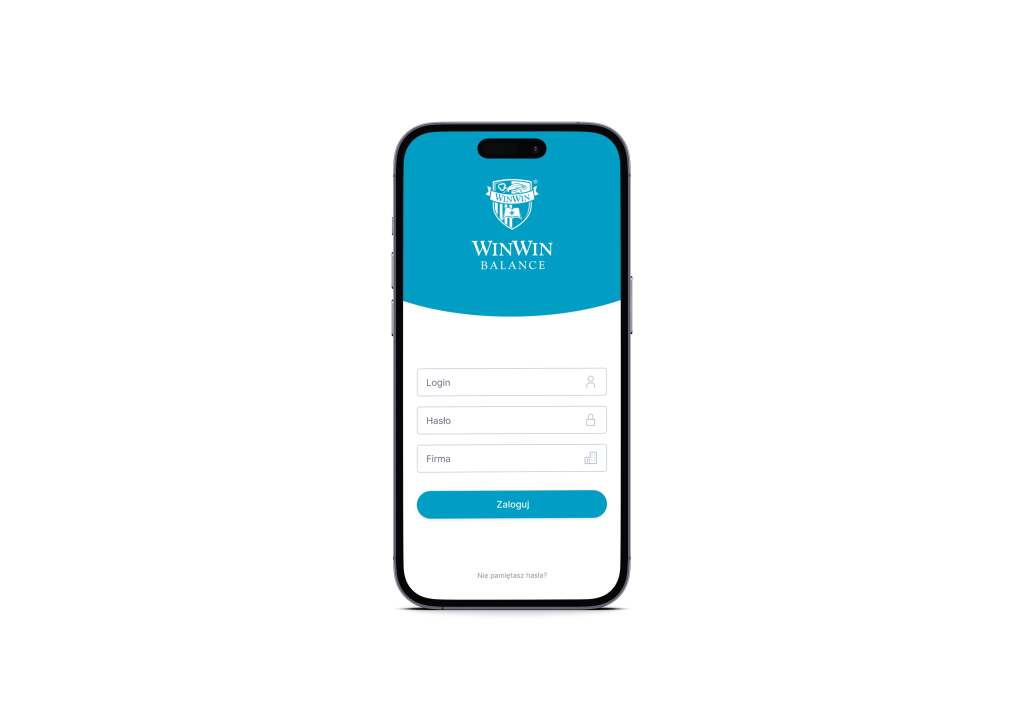
- Implement a user-friendly OHS reporting system (e.g., WinWin).
Understanding the importance of reporting potentially hazardous situations and near-miss incidents involves raising awareness about the importance of reporting situations that could lead to accidents or are related to them. The measures taken in this regard aim to prevent dangerous situations by identifying them and taking appropriate action in advance.
Creating a culture of open communication and reporting involves fostering an environment where employees feel comfortable reporting potential hazards without fear of retaliation or negative consequences. Striving for such a culture facilitates the early detection of problems and the implementation of corrective actions.
Identifying and addressing barriers to reporting involves identifying obstacles that prevent employees from reporting unsafe situations or accidents. Subsequently, steps must be taken to overcome these barriers, ensuring that the reporting process is easy, accessible, and safe.
Implementing a user-friendly OHS reporting system involves introducing a reporting system that is easy to use and tailored to the needs of employees. Such a system should be intuitive and readily accessible, which will enhance the effectiveness of the reporting process and improve safety levels. WinWin is an example of such a system!