

The Turquoise Organization: Introduction
Organizational culture is a key element of any company’s success. These days, more and more organizations are beginning to realize how important it is to build a strong work culture. One approach to creating such a culture is the concept of the so-called teal organization. In this article, we’ll discuss exactly what a teal organization is, its defining characteristics, the benefits and challenges associated with it, and what tools and strategies can be used to build one.
What is a turquoise organization?
The term “teal organization” was coined by Frederic Laloux in his book *Reinventing Organizations*. In it, Laloux describes a new organizational model characterized by a high degree of self-governance, employee engagement, and a focus on the organization’s values and goals. The name “teal” refers to the color, which symbolizes harmony, balance, and calm.
Characteristics of a Turquoise Organization

A turquoise organization is characterized by several distinctive features. One of them is a high degree of self-governance and autonomy among employees. In such an organization, there are no traditional hierarchies or rigid management structures. Instead, employees have greater freedom to make decisions and implement their ideas.
Another important feature of a turquoise organization is its focus on the personal and professional development of its employees. In such a company, employees have the opportunity to develop their skills and abilities, as well as to pursue their passions and interests.
In a turquoise organization, it is also important to make decisions in a collaborative and consensus-based manner. Employees have the opportunity to express their opinions and ideas, and decisions are made in a transparent and democratic manner.
The Benefits of a Turquoise Work Culture
A turquoise work culture offers many benefits to an organization and its employees. One of the most important is increased employee engagement and satisfaction. In such a company, employees feel more valued and have a greater say in what happens in their workplace.
Another important benefit of the turquoise work culture is an improvement in the company’s productivity and innovation. Thanks to greater freedom in decision-making and a focus on employees’ personal development, the company can respond more quickly to changing market conditions and introduce innovations.
A turquoise organization is also more resilient in the face of difficult situations and challenges. Thanks to its focus on the organization’s values and goals, as well as a high level of employee engagement, the company can weather tough times more easily and recover more quickly from a crisis.

Core Values for a Teal Organization
A turquoise organization is a place where people feel they are a valuable part of the team and that their work has a real impact on the world. It is a place that values diversity, supports sustainable development, and emphasizes the importance of ethical leadership.
The Turquoise Organization: Trust, Transparency, and Authenticity Are Key
In a teal organization, there are certain core values that form the foundation of its operations. Among them are trust, transparency, and authenticity. In such a company, it is important to build relationships based on trust and to ensure transparency in operations. By showing respect for their employees and prioritizing clear communication, teal organizations create an atmosphere of safety and engagement.
Empathy and Inclusion: The Foundations of Coexistence in a Teal Organization
Another important value in a teal organization is empathy, compassion, and inclusion. The company should ensure that every employee feels accepted and respected, regardless of their background or sexual orientation. Managers should demonstrate empathy and understanding, and all team members should feel that they are treated equally.
Sustainable Development and Social Responsibility in Teal Organizations
In a teal organization, values related to sustainability,social responsibility, and ethical leadership are also important. The company should operate in a socially responsible manner and care for the environment. A commitment to sustainability and social responsibility is not only an ethical choice but also a strategic one for teal organizations.
Ethical Leadership in a Teal Organization: How Does It Work?
Leadership in a teal organization is not about giving orders, but about inspiring and motivating employees. Such leaders show their true selves; they are authentic and honest. They have the courage to make decisions that align with their values, even if those decisions are difficult or unpopular. This kind of ethical leadership is essential for creating a truly teal organization.
Tools for Building a Turquoise Work Culture
Building a teal organization requires a holistic approach, in which the well-being of employees is just as important as business results. It is a process that requires us to change our perspective and approach to management. Various tools and methods can be used to build a teal work culture.
Holacracy: The First Step Toward a Teal Organization
One of the key tools that help create a teal organization is holacracy—a management system based on self-governance and decentralized decision-making. In holacracy, decisions are not made top-down but are distributed throughout the organization’s structure, giving employees greater autonomy and a sense of influence over their workplace.
Teal Management: Why Is Holacracy So Important?
In a holacracy system, employees are not viewed as subordinates but as partners. They have the opportunity to influence decisions regarding their work, which increases their engagement and motivation. Holacracy allows for better utilization of each employee’s potential and fosters innovation.
The Turquoise Organization: Other Tools for Building a Work Culture
In addition to holacracy, there are other tools and methods that help build a teal work culture. For example, mentoring and coaching programs can help employees continue to grow and learn new skills. Regular team meetings, development workshops, and feedback systems—such as WinWin—contribute to building a teal culture.
Nonviolent Communication: The Key to Building a Teal Culture
Another tool that plays a vital role in building a teal culture is nonviolent communication and resolving conflicts in a constructive and collaborative manner. Nonviolent communication involves respecting others and expressing one’s feelings and needs in a way that does not offend, threaten, or hurt others. This is crucial for creating an atmosphere of respect and trust within an organization.
Conflict Resolution: Cooperation Over Competition
Conflicts are an inherent part of any organization. In a teal organization, conflicts are viewed as opportunities for learning and growth, rather than as problems. That is why it is important to implement mechanisms that facilitate constructive conflict resolution. Collaboration and the search for solutions that benefit all parties are key here.
The winwin.app/ System: A Tool to Support Communication and Conflict Resolution
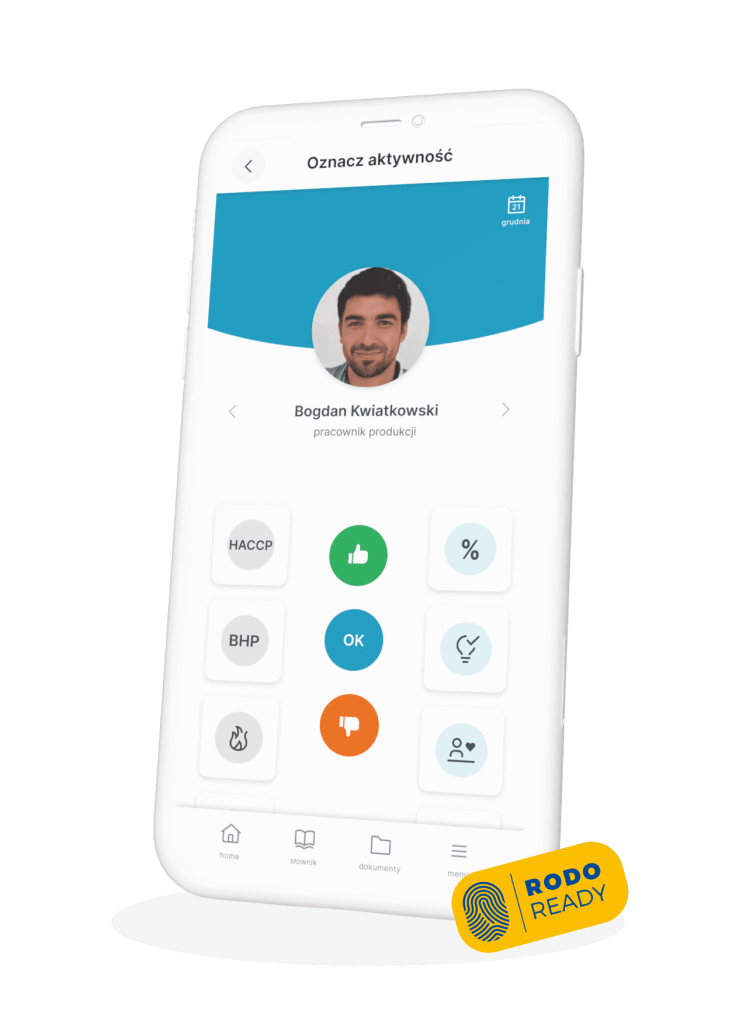
To that end, it’s worth taking a look at the winwin.app/ system. It’s a platform that streamlines communication within an organization and helps resolve conflicts. The system operates on a win-win basis, promoting solutions that benefit both parties to a conflict. In addition, the platform helps increase employee engagement by enabling them to actively participate in the problem-solving process.
How Does winwin.app Support the Turquoise Culture?
winwin.app/ is a tool that aligns perfectly with the philosophy of teal organizations. It gives employees greater influence over decisions and processes within the company. For managers, it is an excellent tool for monitoring employee engagement and resolving potential conflicts effectively.
In summary, building a teal culture is a process that requires us to use a variety of tools and methods. Nonviolent communication, constructive conflict resolution, and the use of systems such as winwin.app/ are key here.
Challenges Associated with Building a Teal Organization
Building a turquoise organization can be difficult due to the many challenges that may arise along the way. One of the biggest challenges is resistance to change and fear of uncertainty.
Another problem may be a lack of clarity regarding the company's goals and a lack of accountability for the decisions made.
The turquoise company may also face issues related to power struggles and conflicts among employees.
The Turquoise Organization: The Role of Leaders
Leaders play a key role in building a teal work culture. Their job is not to control or micromanage employees, but rather to support their development and empower them to achieve their goals.
Leaders should also set an example for other employees through their behavior and actions, which should be guided by the company's values.
In a turquoise organization, leaders should also strive to develop the collective intelligence and creativity of the entire team.
Advantages and Disadvantages of a Turquoise Organization
The turquoise organization has many advantages, such as greater freedom in decision-making and higher employee engagement. However, there are also some drawbacks to this management model, such as a lack of clearly defined roles and difficulties in making quick decisions.
There are also certain risks associated with an approach based on a company’s values or goals, such as the risk of losing profitability or the risk that its actions will prove ineffective.
The Most Common Mistakes Made When Building a Teal Organization
One of the most common mistakes made when building a teal organization is an excessive focus on structures or processes at the expense of the emotional aspects of work or employees’ well-being.
Another mistake might be failing to address issues stemming from power dynamics or systemic problems within the company—problems that WinWin can resolve.
Strategies for Maintaining a Strong Work Culture in a Teal Organization
To maintain a strong work culture in a teal organization, it’s a good idea to hold regular feedback and reflection sessions on the company’s activities or to implement the WinWin system, which provides continuous feedback and, among other things, allows employees to propose initiatives or set goals.
It is also important to provide employees with ongoing opportunities for professional development and to foster a sense of community among them.
The Future of the Turquoise Work Culture
The turquoise work culture is one of the newest approaches to business management, but it is gaining increasing popularity around the world. It could have a significant impact on the future of work and society as a whole.
Turquoise Organization: Summary
Building a strong work culture is a key element of any company’s success. A teal organization is one approach to creating such a culture, characterized by a high degree of self-governance, employee engagement, and a focus on the company’s values and goals. To succeed in building a teal organization, it is important to keep in mind many factors, such as the tools for building such a company, the challenges that may arise along the way, and the role of a leader in a teal organization.