

Introduction: In today’s world, where communication plays a key role in our personal and professional lives, the ability to give and receive constructive feedback is invaluable. But what exactly does “constructive feedback” mean? How can we effectively use it to our advantage?

What is constructive feedback?
Constructive feedback is information that a manager provides to an employee to help them develop and improve their skills. It is based on observations and specific facts, and is intended to help the employee improve their work or behavior. Constructive feedback is specific, clear, and understandable, and it also focuses on the positive aspects of the employee’s work.
- Strengthens relationships: Helps build trust and understanding between people.
- It promotes growth: It helps identify areas for improvement and provides motivation to take action.
- Increases effectiveness: Helps you achieve better results at work and in your personal life.
Examples of constructive feedback may include praise for a job well done, pointing out areas for improvement, suggestions for skill development, and specific examples of behaviors that need to be changed. It is important that constructive feedback be specific and based on facts, rather than on subjective feelings or emotions.
How to Effectively Provide Constructive Feedback?
- Be honest, but tactful: Your words should be truthful, but conveyed in a non-confrontational way.
- Focus on the behavior, not the person: Talk about what someone did, not who they are.
- Give some examples: Specific situations will help clarify your points.
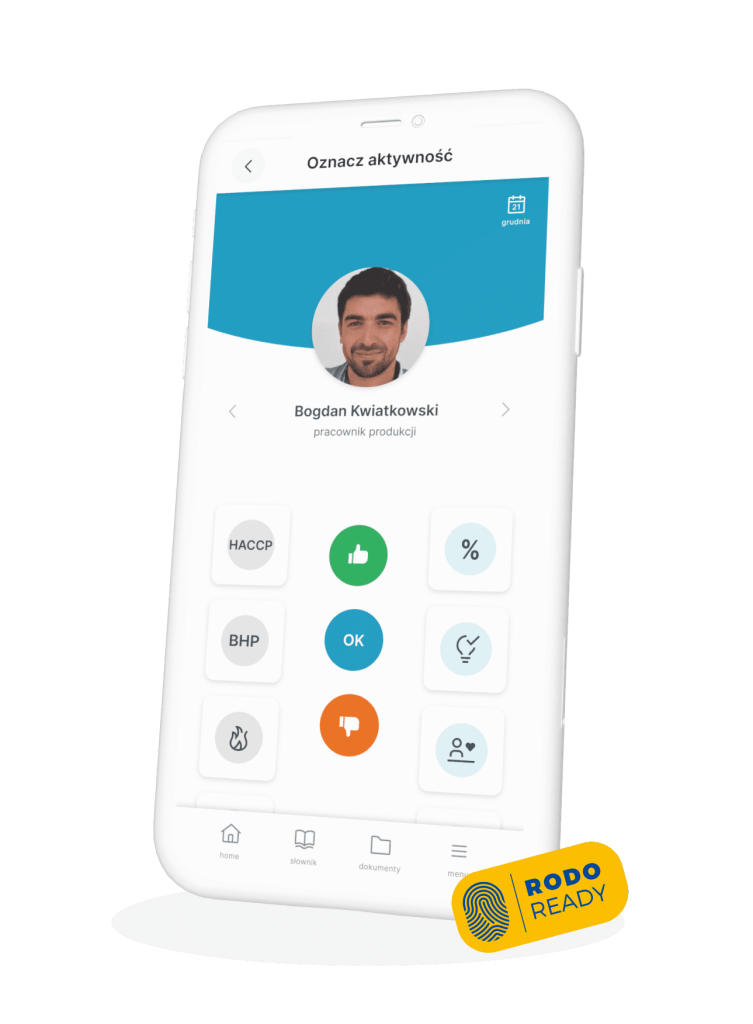
- Take Advantage of WinWin: A tool that acts as a manager’s digital notebook to help you with your daily work and boost your team’s engagement, efficiency, and motivation.
Why is constructive feedback important for managers?
Constructive feedback is extremely important for managers because it helps improve employees’ performance. By providing constructive feedback, managers can point out areas for improvement to employees and help them develop their skills. Constructive feedback also helps foster a positive work environment where employees feel valued and supported.
Providing constructive feedback helps managers identify employees’ strengths and weaknesses and tailor their tasks and responsibilities to their skills. By providing constructive feedback, managers increase employee engagement and motivate them to achieve better results.
The Benefits of Providing Constructive Feedback
Providing constructive feedback has many benefits for both managers and employees. One of the main benefits is improved communication between managers and employees. Constructive feedback facilitates an open and honest dialogue that can lead to better collaboration and understanding.
Providing constructive feedback can also increase employee engagement and motivation. When employees receive specific feedback on their work, they can better understand what is expected of them and how they can grow. This, in turn, can lead to greater motivation to achieve better results.
Providing constructive feedback can also improve productivity and work performance. When employees receive feedback on their work, they can focus on areas for improvement and hone their skills. This, in turn, can lead to better results and the achievement of goals.

The Most Common Mistakes Managers Make When Giving Feedback
- Despite the benefits of providing constructive feedback, managers often make certain mistakes that can undermine the effectiveness of that feedback. One of the most common mistakes is a lack of specificity. Managers often provide general and vague feedback that does not help employees improve their work.
- Another common mistake is focusing on the negative aspects rather than the positive ones. Managers often focus on what an employee is doing wrong instead of acknowledging what they’re doing right. This can lead to frustration and a decline in employee motivation.
- Another mistake is the lack of specific steps for improvement. Managers often fail to provide employees with specific guidance and steps they can take to improve their work. This can lead to frustration and a lack of progress.
Key Principles for Providing Constructive Feedback
When providing constructive feedback, it’s important to keep a few key principles in mind. First, be timely. Feedback should be provided as soon as possible after observing the employee’s behavior or work.
Second, it is important to be respectful. Feedback should be given in a respectful manner that does not disrupt the relationship between the manager and the employee.
Third, be honest. Feedback should be based on genuine observations and specific facts, not on subjective feelings or emotions.
Dealing with Difficult Situations When Providing Feedback
When providing constructive feedback, difficult situations may arise, such as an employee’s aggressive behavior or a sensitive topic. If an employee is defending themselves (rather than being aggressive), it’s important to listen and understand their perspective, and then explain your observations and expectations.
When dealing with sensitive topics, it is important to be tactful and empathetic. It is important to express your concerns and expectations in a respectful manner that does not disrupt the relationship between the manager and the employee.
Motivating Employees to Accept Constructive Feedback
In a work environment where continuous development and improvement are the keys to success, constructive feedback becomes an invaluable tool. However, simply providing feedback is not enough. It is important for employees to be open to receiving this feedback and able to put it into practice.
To motivate employees to accept constructive feedback, management should foster a culture of openness and trust. Employees need to know that the purpose of feedback is not to criticize them, but to support their growth.
Here are a few ways to promote this culture:
- Regular feedback sessions: Schedule regular meetings with employees during which they will have the opportunity to receive and provide feedback.
- Highlight the benefits: Show employees how constructive feedback can help them grow professionally and achieve better results.
- Be a role model: As a leader, be open to feedback and show how it can be used effectively.
Remember that constructive feedback is a tool for growth, not a tool for criticism. By fostering a culture of openness and trust, we can encourage employees to actively use this valuable form of communication.
Monitoring Employee Progress After Providing Feedback
In every company, it is essential not only to provide feedback but also to track employees’ progress after they receive it. Constructive feedback is intended not only to identify areas for improvement but, above all, to motivate employees to grow and hone their skills.
After providing constructive feedback, management should regularly monitor employees’ progress by observing changes in their behavior, work efficiency, and performance. Only then can they assess the effectiveness of the feedback and adjust their team management strategy.
Monitoring progress following constructive feedback also helps employees understand that their development is important to the company. This gives them a sense of being valued and motivates them to continue working on themselves.
In short, constructive feedback is not the end of the process, but the beginning of the path to improvement. Regularly monitoring employees’ progress is key to building a strong, effective, and motivated team.
Summary
Constructive feedback is extremely important for managers because it helps improve employee performance and foster a positive work environment. Providing constructive feedback has many benefits, such as improving communication, increasing employee engagement and motivation, and enhancing work efficiency and performance. It’s important to avoid the most common mistakes managers make when giving feedback and to follow best practices and principles for providing constructive feedback. It’s also worth trying out WinWin, an effective tool for providing constructive feedback. By developing their skills in providing constructive feedback, managers can become more effective leaders and support their employees’ growth.
FAQs:
- Does constructive feedback always have to be positive? No, but it should be delivered in a way that is helpful and constructive, rather than offensive.
- How can I properly receive constructive feedback? The most important thing is to listen with an open mind and not be defensive right away. Think about what was said and decide how you can use it to grow.