

In the dynamic world of business, individual effectiveness and innovation are crucial to the overall success of any organization. At the center of this puzzle are the employees—their attitude, commitment, and motivation to work. In this regard, we can distinguish between two fundamental types of employees: active and passive. The difference between them may be subtle, but its impact on the organization is far-reaching and significant.
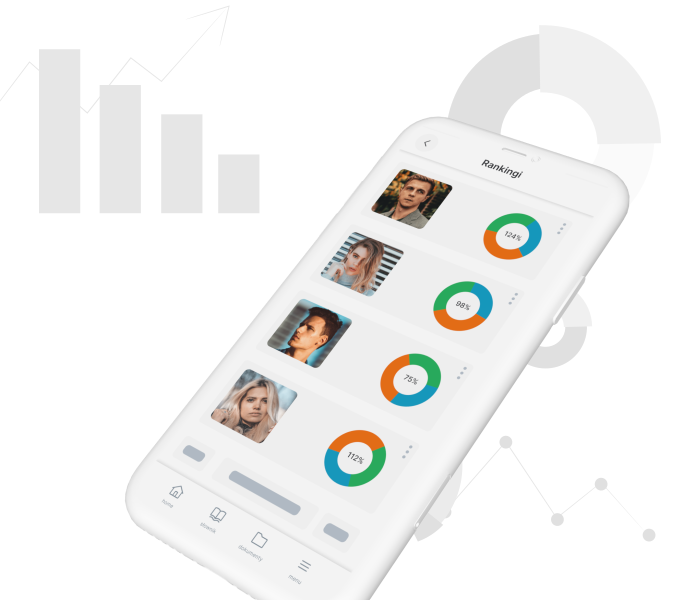
Over the years, many companies have struggled with the challenge of transforming their employees’ passive attitudes into active ones. In this context, the question arises: How can employees be effectively and efficiently motivated to be more active, engaged, and proactive? The answer to these questions is the WinWin app, an innovative tool designed to support employees and managers in pursuing the organization’s shared goals.
This app not only makes it easier for employees to share their ideas and initiatives, but also gives them a sense that they have a real impact on the company’s performance. As a result, employees feel more engaged and motivated to contribute to the organization’s growth. In this blog post, we’ll take a closer look at how an active employee differs from a passive one, what causes passivity, and how the WinWin app can transform the workplace by fostering a culture of active engagement and innovation.
Differences Between Active and Passive Employees
Understanding the differences between active and passive employees is crucial for any leader or manager who aims to build an effective and engaged team. Here are the main characteristics of these two types of employees:
Active Employee:
Initiative: An active employee often takes action on their own without waiting for instructions. This is someone who proactively seeks solutions and opportunities to improve work processes.
- Commitment: He demonstrates a strong commitment to his responsibilities and the company's goals. His approach is focused on achieving results and contributing to the organization's success.
- Communication Skills: Active employees often share their ideas, feedback, and suggestions, which contributes to better teamwork and the company's growth.
- Adaptability: They are flexible and open to change, which is crucial in a rapidly changing business environment.
Passive Employee:
- Lack of initiative: Passive employees typically perform only the tasks directly assigned to them and rarely go beyond the scope of their duties.
- Low engagement: They often lack much interest in the company’s goals, which affects their motivation and effectiveness.
- Limited communication: They tend to be less communicative, which can lead to a lack of cooperation and misunderstandings within the team.
- Resistance to change: They often resist change, which can hinder an organization's innovation and adaptability.
Distinguishing between these two types of employees is crucial to understanding how we can effectively influence their engagement and motivation. In the following sections, we will examine how we can overcome passivity in the workplace and how a tool like WinWin can help transform passive employees into active ones, which will benefit both the employees themselves and the entire organization.
Causes of Employee Passivity and How to Overcome Them
Passivity in the workplace can stem from a variety of causes. Understanding these factors is the first step toward effectively increasing employee engagement. Here are some of the most common causes of passivity and strategies you can use to overcome them:
- Lack of clear goals and direction: Employees often become passive when they don't understand how their work contributes to the company's overall success.
- Solution: Set clear and measurable goals, regularly communicate the company’s vision and mission, and show employees how their work contributes to achieving those goals.
- Insufficient communication and feedback: A lack of regular and constructive communication between managers and employees can lead to a sense of isolation and a lack of understanding.
- Solution: Introduce regular meetings, feedback sessions, and open communication so that employees feel heard and valued.
- Lack of recognition and awards: Employees who do not receive recognition for their efforts may feel demotivated to continue working actively.
- Solution: Create reward and recognition systems that acknowledge both major and minor employee achievements.
- Insufficient opportunities for development: Employees who do not see opportunities for growth within the company may lose their motivation to actively engage.
- Solution: Offer training, opportunities for promotion, and personal development so that employees feel they can grow alongside the company.
- Low sense of influence: When employees feel that their opinions and ideas don't matter, they may become passive.
- Solution: Encourage employees to share their ideas and participate in decision-making, which increases their sense of influence over the company.
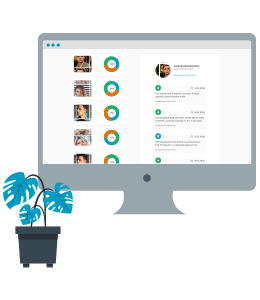
The WinWin app fits perfectly into these strategies by offering a platform that enables better communication, recognizes employee achievements, and encourages the sharing of ideas and initiatives. Thanks to this tool, employees can feel more engaged and appreciated, which translates into greater productivity in the workplace.
The Benefits of Having Engaged Employees for an Organization
Having engaged employees brings an organization a number of benefits that are crucial to its growth and success. Here are the most important ones:
- Increasing Productivity:
- Engaged employees often work more efficiently and effectively. Their proactive attitude allows them to solve problems and complete tasks more quickly, which translates into higher overall productivity for the company.
- Improving Innovation:
- Engaged employees are not afraid to voice their ideas and take the initiative, which is key to innovation. Companies with engaged employees are more likely to implement new solutions and improvements that can give them a competitive advantage.
- Building a Positive Organizational Culture:
- Employee engagement affects the workplace atmosphere. Organizations with a culture of engagement and commitment often have lower absenteeism rates and higher levels of employee satisfaction and loyalty.
- Better Customer Service:
- Employees who feel engaged and motivated often provide better customer service, which leads to better customer experiences and helps build long-term relationships.
- Increasing the Company's Profitability:
- All of the aspects mentioned above—increased productivity, innovation, a positive organizational culture, and better customer service—have a direct impact on the company's financial results.
The WinWin app plays a key role here by helping organizations build a culture of active engagement. Through tools for communication, recognizing achievements, and supporting employee initiatives, WinWin helps create an environment where employees feel motivated to be active and effective participants in the organization.